Mobile Tech and Instant Processing Transform Wagers on Sports, Tracks, and Tables
Bianca Braun · Jul 27, 2026
Mobile Tech and Instant Processing Transform Wagers on Sports, Tracks, and Tables
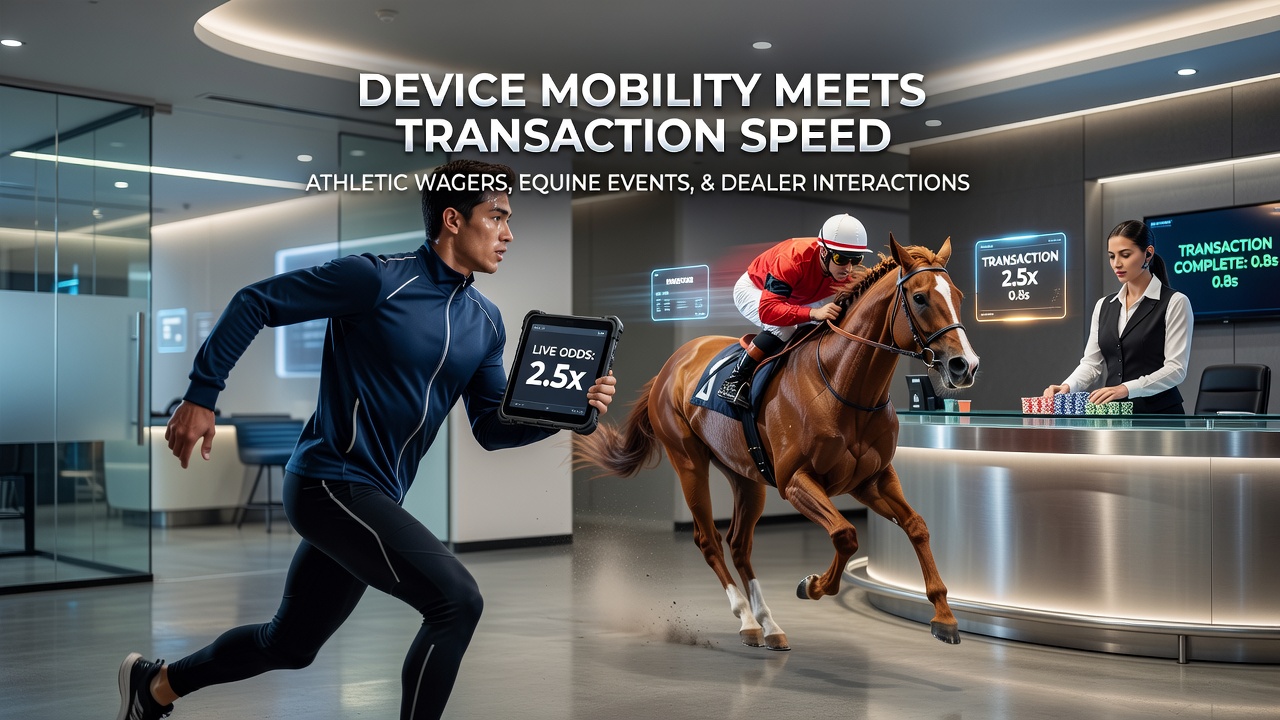
Portable devices now connect bettors directly to platforms where athletic wagers, equine events, and dealer interactions occur in real time, while transaction systems process deposits and payouts within seconds rather than minutes or hours. Data released in July 2026 from multiple regional regulators shows mobile-initiated transactions accounting for over 70 percent of total wagering volume across these categories, with average settlement times dropping below eight seconds on major networks. Observers note that this combination of device mobility and transaction speed stems from integrated payment gateways, biometric authentication, and optimized app architectures that route requests through regional servers.
Portable Access in Athletic Wagers
Athletic events such as soccer matches and basketball games generate continuous data streams that mobile apps convert into live odds updates and instant stake placement. Researchers at the University of Nevada's International Gaming Institute documented how apps using edge computing reduce latency to under two seconds between bet submission and confirmation, allowing users to adjust positions during play. Payment processors integrated into these platforms handle card, e-wallet, and bank transfer options through single-tap interfaces, and figures from the American Gaming Association indicate that mobile sports betting volumes in regulated U.S. markets rose 22 percent year-over-year through mid-2026.
Equine Events and Rapid Settlement Flows
Horse racing platforms combine GPS tracking of races with mobile interfaces that display fractional odds and permit in-running bets right up to the final furlong. Transaction systems linked to these platforms clear deposits before post time and release winnings immediately after stewards confirm results, cutting traditional payout windows from hours to under thirty seconds in many cases. Industry reports compiled by the Australian Communications and Media Authority reveal that equine betting conducted via smartphones now exceeds 65 percent of total handle in monitored jurisdictions, with cash-out features enabling partial withdrawals during multi-leg bets.
Dealer Interactions in Live Casino Settings
Live dealer tables stream video from physical studios while mobile apps manage chip purchases, seat reservations, and side-bet placements without interrupting the game flow. Systems that pair device location services with regulatory geofencing ensure compliant access, and backend ledgers update balances in real time so players can move winnings to external accounts before the next hand or spin begins. Studies from the European Gaming and Betting Association highlight that live dealer mobile sessions average 18 minutes longer than desktop sessions, partly because transaction friction remains minimal throughout extended play periods.
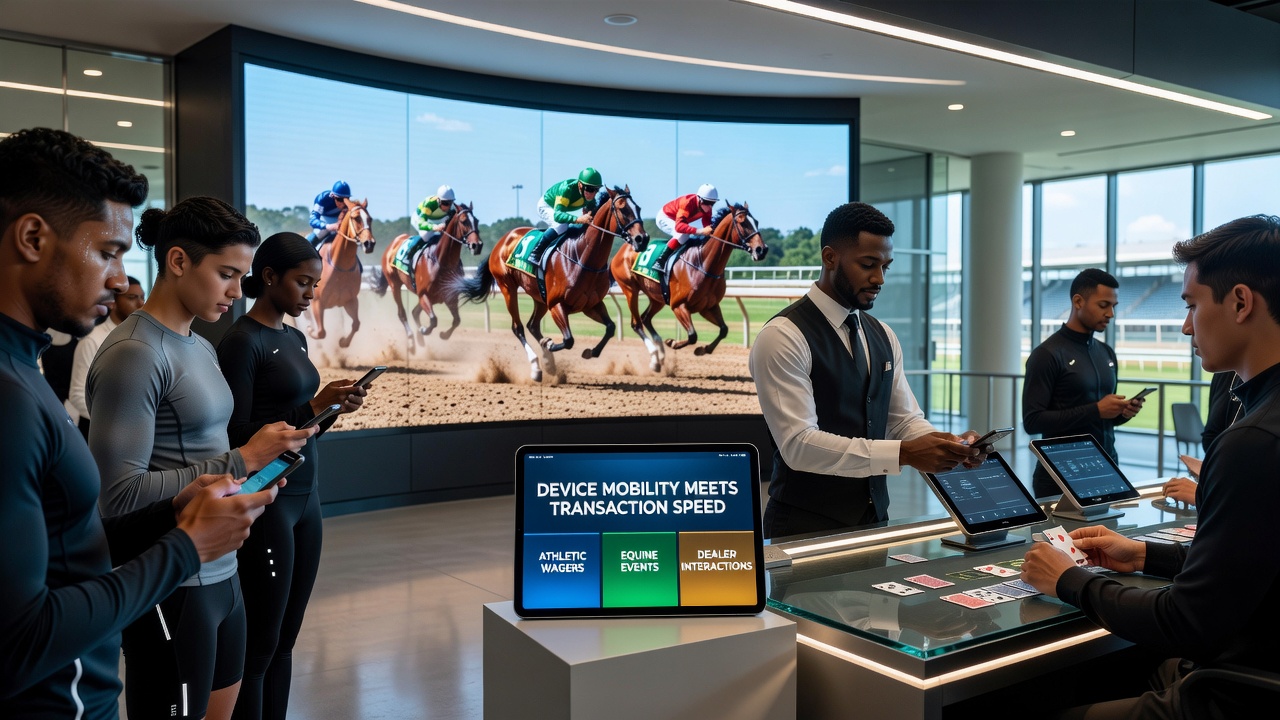
Security protocols embedded in these applications use tokenization and device-bound encryption keys to authorize each transfer, which reduces fraud rates while preserving speed. Payment rails such as instant bank transfers and digital wallets now operate in parallel with gaming servers, synchronizing ledgers across continents within regulatory timeframes. Those who monitor platform performance report that outages lasting more than ninety seconds trigger automatic rerouting through backup data centers, maintaining service continuity for users engaged in time-sensitive wagers.
Transaction Metrics Observed in July 2026
Regional datasets compiled during July 2026 show average deposit processing at 3.4 seconds and withdrawal confirmation at 6.8 seconds across the three verticals when conducted on 5G networks. Mobile session lengths for athletic wagers average 14 minutes, equine betting sessions reach 22 minutes, and live dealer interactions extend to 47 minutes, each accompanied by multiple micro-transactions. These patterns emerge because apps preload payment credentials and pre-authorize small amounts, eliminating repeated authentication steps during active play.
Conclusion
The integration of device mobility with accelerated transaction systems continues to expand participation in athletic, equine, and dealer-based wagering by removing delays that previously interrupted decision cycles. Data streams from July 2026 confirm that settlement speed and portable access operate as linked variables, each reinforcing the other across regulated markets. Continued infrastructure upgrades in both mobile networks and payment rails support further compression of processing intervals while preserving compliance checkpoints required by oversight bodies.