Mapping Digital Access Channels and Incentive Frameworks Across Soccer Markets, Thoroughbred Racing, and Live Table Platforms
Freya Bauer · Aug 13, 2026
Mapping Digital Access Channels and Incentive Frameworks Across Soccer Markets, Thoroughbred Racing, and Live Table Platforms
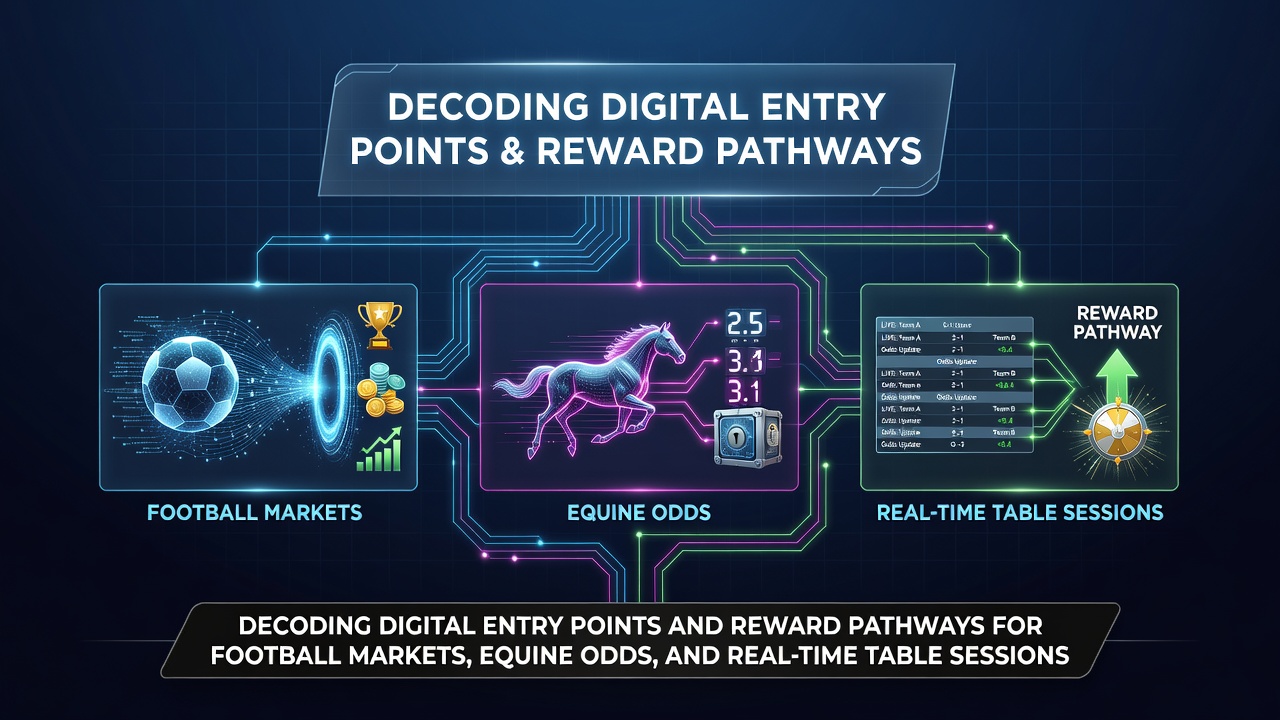
Digital platforms have established structured entry points that connect users to football markets, equine odds, and real-time table sessions through integrated apps and websites, while reward pathways operate via layered bonus systems, dynamic pricing models, and instant payout mechanisms that respond to user activity patterns observed in August 2026 data releases. These systems rely on algorithmic matching of deposits to specific betting categories, where football selections trigger progressive multipliers on accumulators, equine odds adjust through real-time form data feeds, and table sessions unlock cashback tiers based on session duration and stake volume.
Entry Mechanisms for Soccer Wagering Environments
Football markets utilize mobile-first registration flows that link directly to league-specific odds boards, allowing immediate placement on match outcomes, player props, and in-play adjustments while data from payment processors shows average deposit completion times under 45 seconds for verified accounts. Operators integrate third-party verification services that pull from banking APIs and identity databases, creating seamless transitions from account creation to market access without repeated logins across sessions. Reward structures in these environments often feature matched deposit credits applied automatically to football selections, with additional pathways emerging when users combine pre-match bets with live in-game wagers that unlock tiered loyalty points redeemable for free bets on subsequent fixtures.
Pathways in Equine Odds and Racing Platforms
Thoroughbred and harness racing interfaces present equine odds through categorized racecards that update via satellite feeds and official stewards' reports, enabling users to enter via dedicated racing tabs that separate ante-post markets from same-day events and connect directly to tote pools or fixed-odds bookmakers. Digital entry points here emphasize form analysis tools and speed ratings that feed into personalized recommendation engines, whereas reward pathways include early payout bonuses on winning selections and accumulator boosts that scale with the number of legs added to a ticket. Studies from the Canadian Centre on Substance Use and Addiction indicate that racing platforms in certain jurisdictions recorded a 12 percent rise in multi-leg ticket engagement during the first half of 2026, driven by integrated cashout options that let participants secure partial returns before races conclude.
Real-Time Table Session Integration and Reward Flows
Live dealer tables operate through streaming servers that maintain continuous connections to roulette, blackjack, and baccarat environments, where digital entry points manifest as lobby filters sorted by table limits, dealer language, and game variants, with reward pathways activating via streak multipliers and insurance features that credit losses back as playable funds. These sessions often link to broader loyalty programs that track time spent at specific table types and convert that activity into redeemable vouchers or higher withdrawal limits, while operators employ RNG certification alongside live dealer feeds to ensure transparency in outcome generation. Data compiled by the American Gaming Association highlights that real-time table participation through mobile channels increased by 18 percent year-over-year in monitored markets, reflecting improved latency reductions and multi-camera angle selections that enhance user immersion without altering underlying probability structures.
Cross-Market Incentive Alignment and Data Integration
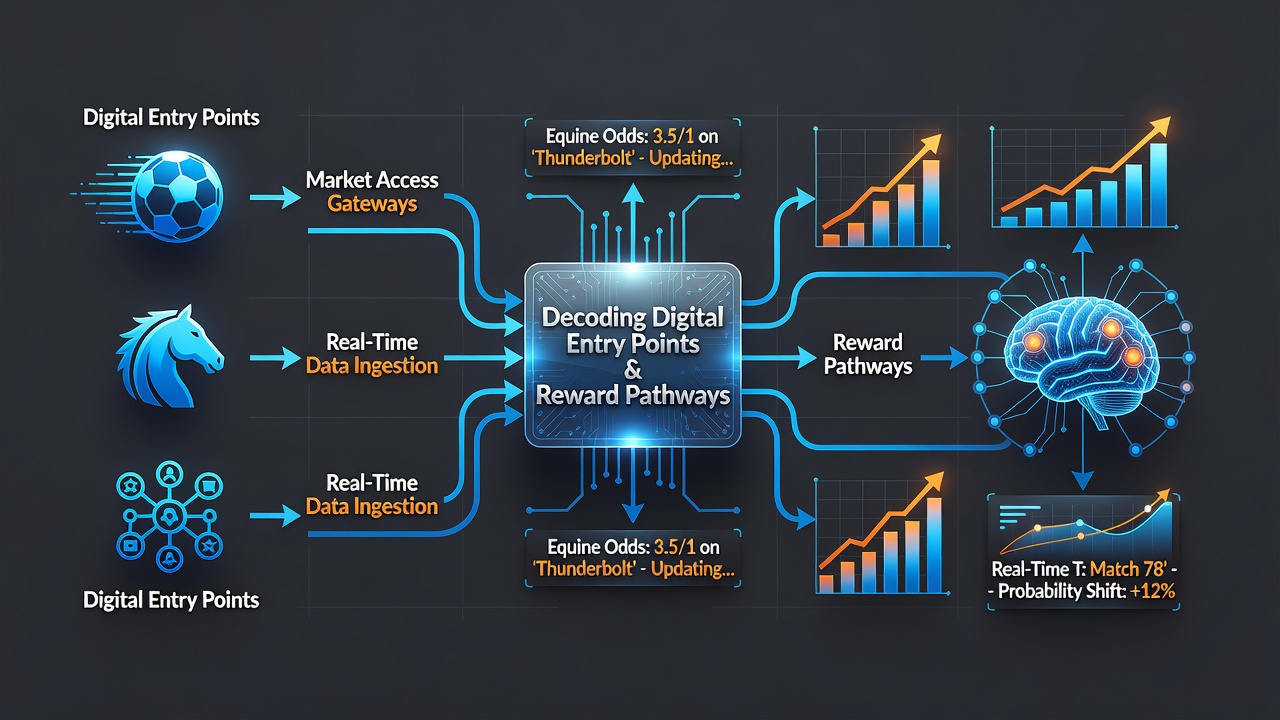
Platforms frequently align entry points across categories so that a single deposit activates eligibility for football accumulators, equine specials, and table session rakebacks simultaneously, creating unified reward ledgers that users navigate through dashboard summaries showing pending bonuses and progress toward next-tier thresholds. This integration relies on centralized user profiles that aggregate activity metrics from all three segments, enabling operators to deploy targeted promotions such as football-related free spins on table games or racing cashback applied as football stake credits. Observers note that such cross-pollination maintains engagement consistency, particularly when seasonal events like major tournaments coincide with racing festivals, prompting systems to adjust odds displays and bonus eligibility windows in coordinated sequences.
Technical Infrastructure Supporting Reward Delivery
Backend architectures employ real-time risk engines that monitor entry point usage and adjust reward availability based on exposure levels, ensuring that high-volume football markets receive dynamic limit adjustments while equine odds incorporate weather and track condition variables that influence payout calculations. Real-time table sessions utilize dedicated RNG servers certified by independent testing labs, with reward pathways executed through automated scripts that credit accounts within seconds of qualifying events such as dealer busts or consecutive wins. European Gaming and Betting Association reports from mid-2026 emphasize the role of API-driven connections between sportsbooks, racing totalizators, and casino management systems in reducing reconciliation errors and accelerating fund movements across categories.
Conclusion
Digital entry points and reward pathways continue to evolve through interconnected systems that prioritize rapid access and layered incentives across football markets, equine odds, and live table sessions, supported by infrastructure that processes transactions and activity data in unified environments. These frameworks operate under regulatory oversight from multiple jurisdictions and rely on verified data streams to maintain operational integrity as participation patterns shift through 2026 and beyond.