Digital Pathways in Wagering: How Secure Transactions and Mobile Interfaces Streamline Participation in Football, Racing, and Live Dealer Activities
Bianca Braun · Oct 19, 2026
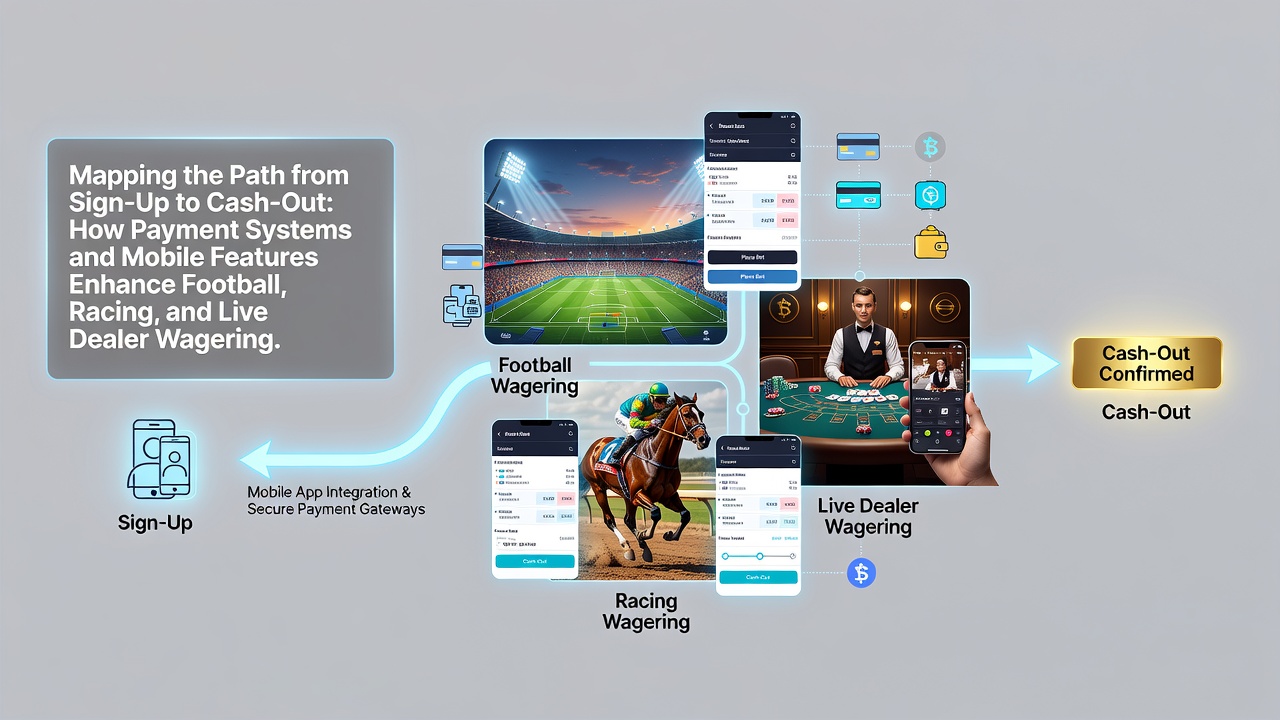
Digital Pathways in Wagering: How Secure Transactions and Mobile Interfaces Streamline Participation in Football, Racing, and Live Dealer Activities
Registration processes on wagering platforms typically begin with account creation that incorporates identity verification through government-issued documents and biometric checks, and these steps connect directly to payment system integrations that allow immediate deposit options once approval completes. Operators in football markets, horse racing circuits, and live dealer environments rely on digital wallets and bank transfers to reduce friction during initial funding, while mobile applications handle the transition from onboarding to active participation by displaying real-time odds and event schedules in unified dashboards.
Streamlined Deposits Across Major Betting Categories
Payment gateways process transactions for soccer matches by accepting instant card authorizations alongside cryptocurrency options in regions where regulations permit them, and racing enthusiasts often utilize the same infrastructure to fund bets on upcoming races with automated odds updates that sync across devices. Live dealer sessions further benefit from these systems because they support quick top-ups during ongoing table games without interrupting play sequences, and data from industry reports indicates transaction volumes have risen steadily through 2026 as mobile penetration expands globally.
Users complete deposits via integrated apps that store payment preferences securely, which minimizes repeated entry of details during subsequent sessions, while security protocols such as tokenization protect sensitive information throughout the transfer process. Observers note that platforms serving football, racing, and live dealer segments coordinate these features to maintain consistent user flows, and one study from an Australian research institution highlighted how localized payment methods improve completion rates in international markets.
Mobile Features That Accelerate Wager Placement
Applications designed for these wagering types incorporate push notifications for event alerts and one-tap betting interfaces that reduce the steps between selecting an outcome and confirming a stake, and football bettors gain particular advantage from in-play adjustments that update automatically as matches progress. Racing platforms embed GPS tracking elements in some mobile versions to align with live race feeds, whereas live dealer interfaces prioritize high-resolution streaming combined with chat functions that operate seamlessly on smaller screens.
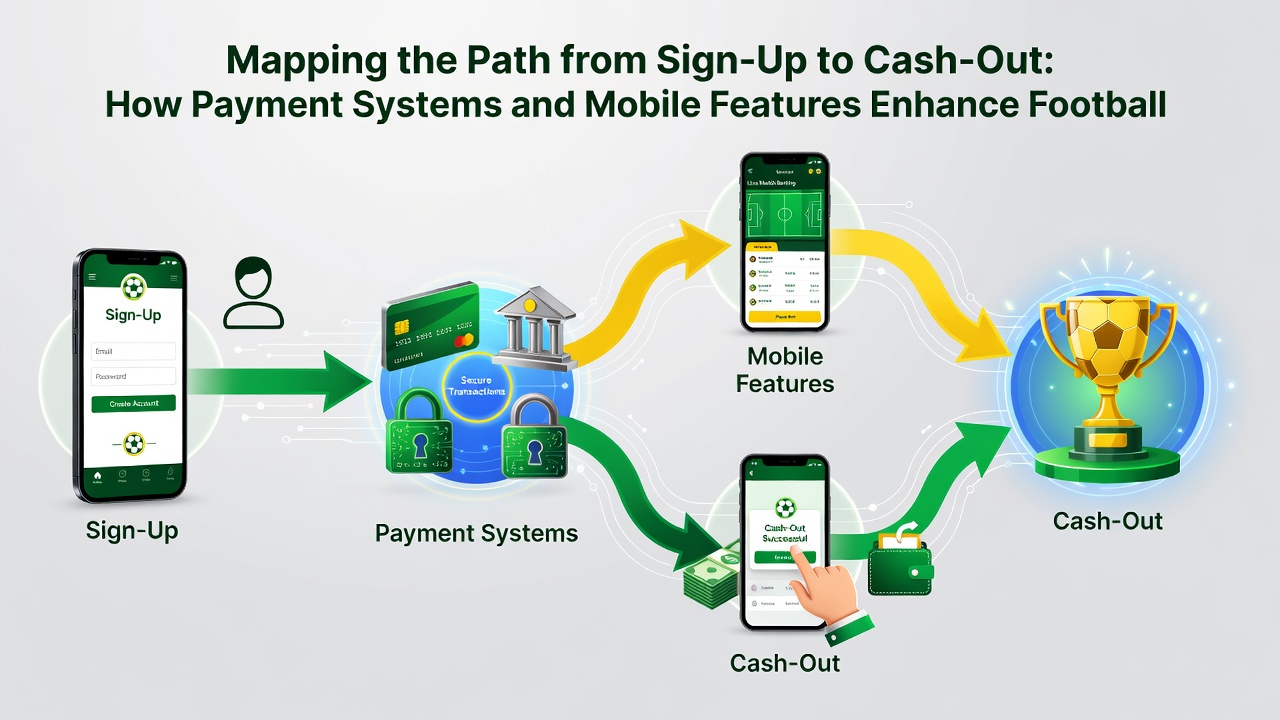
Researchers at various academic centers have documented how these mobile enhancements correlate with higher engagement metrics across categories, and figures reveal that users accessing platforms through dedicated apps complete more transactions per session compared to desktop alternatives. As of October 2026, developers continue to refine gesture-based controls and predictive loading that anticipate user actions based on historical patterns, yet regulatory frameworks in multiple jurisdictions require ongoing compliance audits to verify fair operation of these tools.
Withdrawal Mechanisms and Cash-Out Efficiency
Cash-out requests initiate through the same mobile wallets used for deposits, and verified accounts typically receive processed funds within hours when electronic transfer methods are selected, while football winnings from accumulator bets or racing payouts from exotic wagers follow identical verification pipelines. Live dealer participants appreciate the continuity because withdrawal requests can be submitted without exiting active sessions, and payment processors coordinate with operators to flag any discrepancies automatically before final release.
Evidence from Canadian government analyses shows that platforms employing multi-factor authentication during withdrawals experience fewer disputes, and this approach extends across international operators handling diverse sports and casino formats. Those managing accounts in these environments often track pending transactions through in-app histories that update in real time, which supports better financial oversight without requiring separate reporting tools.
Integration Patterns Observed in October 2026
Current implementations demonstrate that unified payment rails support cross-category activity by allowing a single account balance to fund football accumulators, racing exotics, and live dealer side bets interchangeably, and mobile dashboards consolidate these options into tabbed views for quick navigation. Industry organizations tracking global trends report sustained growth in transaction frequency tied to improved interface designs, whereas security enhancements continue to address emerging threats through regular software updates.
One analysis published by a European trade group emphasized the value of API connections between payment providers and wagering backends because they enable faster reconciliation across multiple event types. Participants in these systems benefit from the resulting efficiency, and data compiled through 2026 confirms that integrated mobile features maintain operational stability even during peak periods surrounding major football tournaments or racing festivals.
Conclusion
Payment systems and mobile capabilities together form the operational backbone that moves users from initial registration through active wagering to final withdrawals in football, racing, and live dealer contexts, and these elements operate under established regulatory oversight in various regions. Continued refinements in transaction speed and interface responsiveness sustain participation levels, while documented statistics from independent sources underscore the measurable impact of these technologies on overall platform performance.