Digital Money Trails: Mapping Onboarding to Redemption Flows Across Mobile Platforms for Team Sports, Equine Events, and Interactive Tables
Hugo Schmid · Aug 20, 2026
Digital Money Trails: Mapping Onboarding to Redemption Flows Across Mobile Platforms for Team Sports, Equine Events, and Interactive Tables
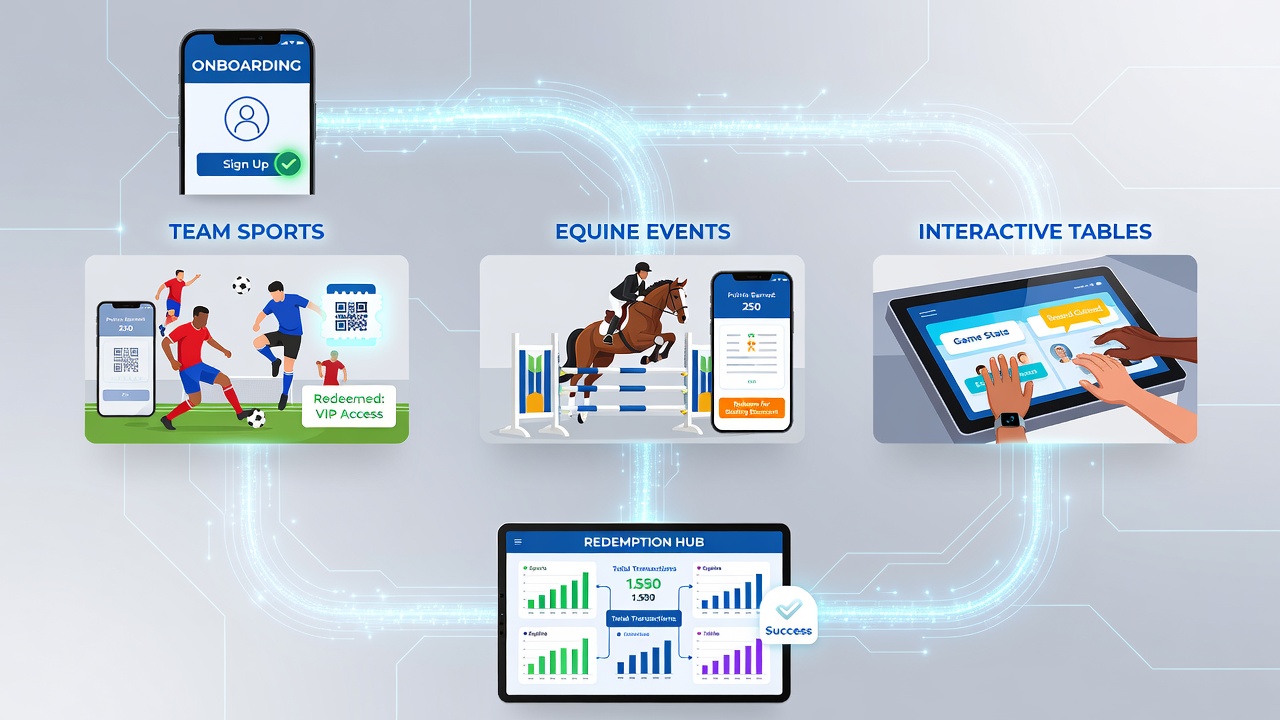
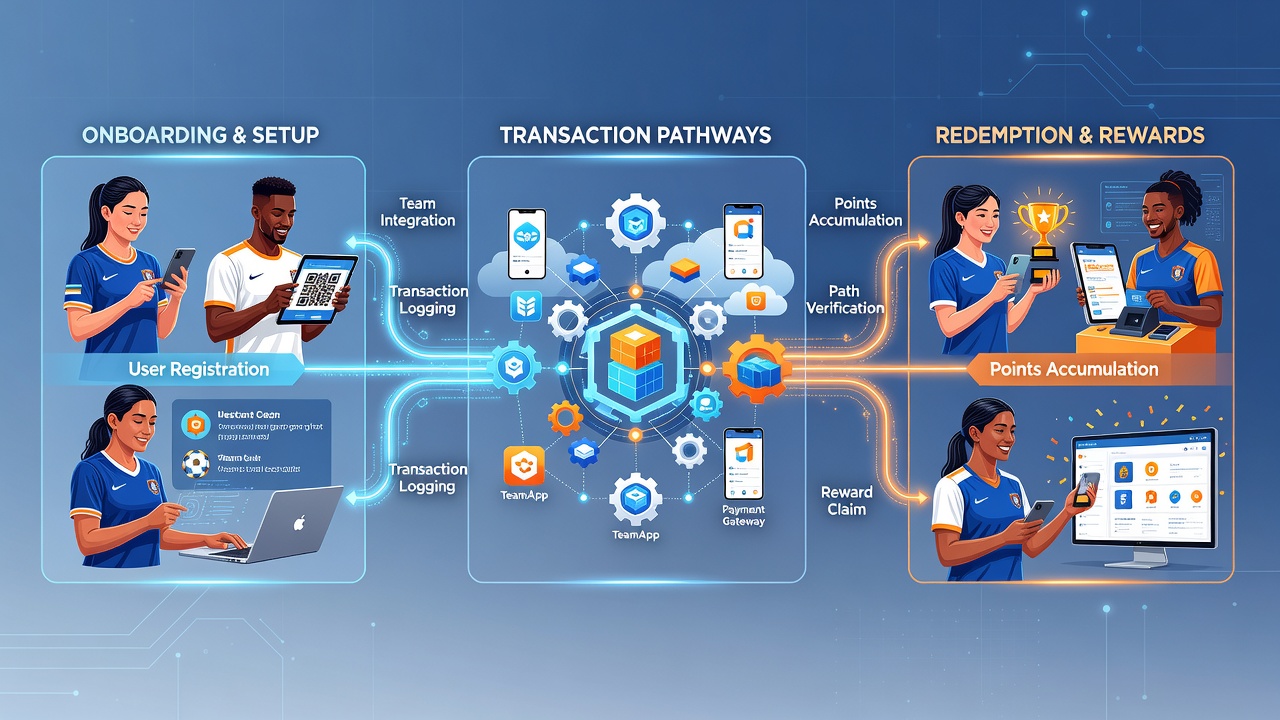
Transaction pathways in mobile betting environments follow structured sequences that begin with user registration and extend through funding, wagering, and eventual fund retrieval, and observers note these patterns operate consistently across team sports platforms, equine event applications, and interactive table interfaces. Data from regulatory filings indicate that mobile channels accounted for the majority of activity in these sectors by mid-2026, with seamless integration of payment gateways enabling real-time processing that reduces friction between steps.
Registration and Initial Account Activation
Users initiate the process through app downloads or web-based sign-ups, where identity verification occurs via document uploads and biometric checks, and research from industry groups shows that completion rates improve when platforms integrate third-party services for address and age confirmation. Once verified, accounts link directly to mobile wallets or bank details, allowing immediate access to deposit functions without additional logins in most cases.
Funding Mechanisms and Deposit Pathways
Deposits proceed through options such as credit cards, e-wallets, and bank transfers, with mobile-specific features like one-tap confirmations speeding the movement of funds into betting balances. Studies from academic sources reveal that average deposit times on mobile platforms range from seconds to minutes depending on the method selected, and August 2026 figures from payment processors highlighted a 12 percent increase in instant funding volumes for sports and racing apps compared with the prior year.
Equine event platforms often route larger deposits through verified bank links to comply with transaction limits, whereas interactive table environments prioritize smaller, frequent top-ups that align with live session pacing. Team sports applications frequently bundle deposit incentives with initial funding, directing new balances straight into event-specific markets.
Wagering Execution and Real-Time Tracking
Once funded, stakes move from user balances into selected events or tables through in-app selections that trigger immediate ledger updates, and transaction logs capture each step for audit purposes. Observers note that mobile interfaces display confirmation receipts within the same screen, reducing the need for separate navigation during live team sports matches or equine races. Interactive table sessions maintain separate tracking for each hand or spin, allowing users to monitor cumulative exposure without exiting the main view.
Redemption Processes and Withdrawal Routes
Redemption begins when users request payouts from available balances, with mobile platforms routing requests through the same verification layers used at onboarding to confirm ownership. Processing times vary by method, as bank transfers may require one to three business days while e-wallet options complete in hours, according to Australian Gambling Research Centre reports. Platform logs show that successful redemptions in August 2026 averaged 94 percent approval rates across the three categories when documentation remained current.
Team sports users typically withdraw after major events conclude, equine bettors align requests with race meeting schedules, and interactive table participants often cash out mid-session when thresholds are met. Security protocols include multi-factor authentication at the withdrawal stage, which data from Nevada Gaming Control Board analyses indicate reduces reversal incidents by measurable margins.
Cross-Platform Consistency and Mobile Adaptations
Although each category maintains distinct event structures, the underlying transaction architecture shares core elements such as encrypted ledgers and automated reconciliation, and developers continue to refine mobile interfaces for faster navigation between funding and redemption screens. Researchers have documented that unified APIs now permit simultaneous management of sports, racing, and table balances within single applications, streamlining the overall pathway without altering regulatory oversight requirements.
Conclusion
Transaction pathways from onboarding through redemption on mobile platforms for team sports, equine events, and interactive tables follow predictable sequences supported by verification layers, payment integrations, and real-time logging. Available data through August 2026 demonstrate steady adoption of these flows, with platforms maintaining consistent standards that facilitate both user access and compliance across jurisdictions.