Decoding Deposit Sequences for Optimal Bonus Deployment in Football Markets, Racing Events, and Casino Streams
Hugo Schmid · Nov 16, 2026
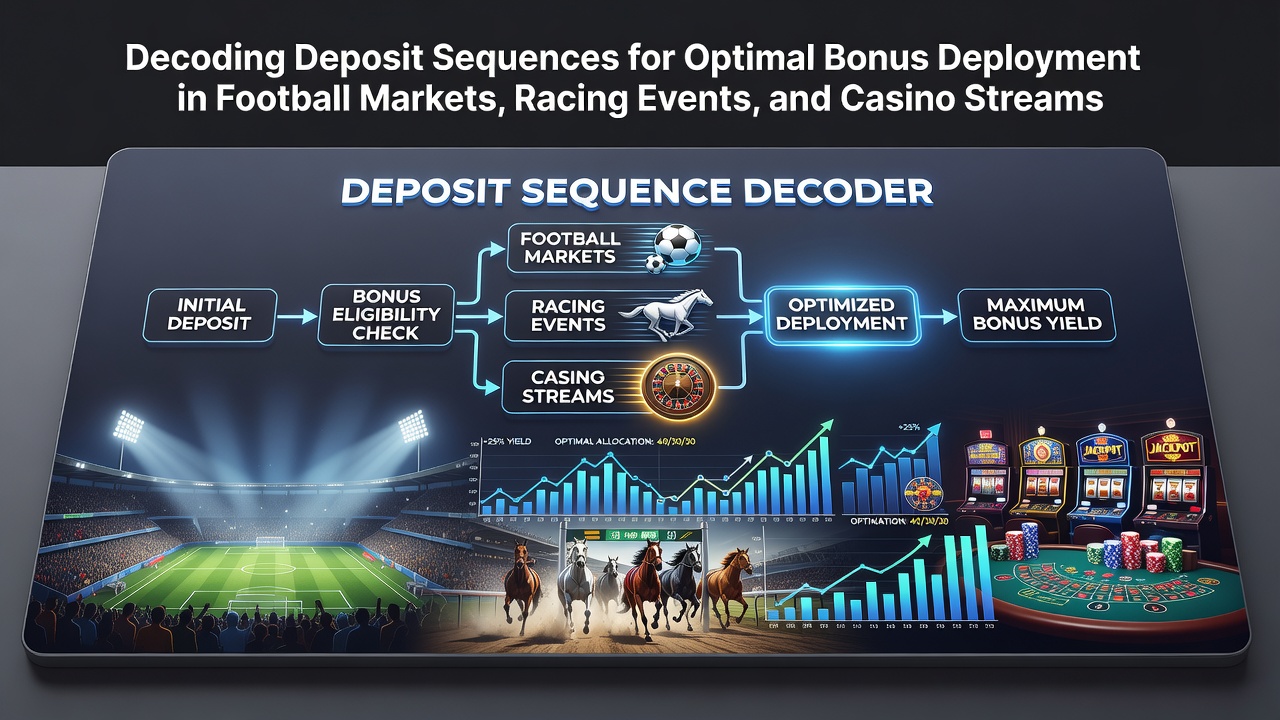
Decoding Deposit Sequences for Optimal Bonus Deployment in Football Markets, Racing Events, and Casino Streams
Operators structure deposit sequences to align with bonus activation rules that apply across football markets, racing events, and casino streams, and data from regulatory filings show these patterns influence how participants allocate funds in November 2026. Research indicates that staggered deposits often trigger tiered rewards when users meet minimum thresholds within specified windows, whereas single large transfers may bypass certain promotional layers in the same markets.
Core Mechanics of Deposit Sequencing
Deposit sequences function through automated tracking systems that record transaction timing, amount, and frequency, and industry reports confirm these logs determine eligibility for matched funds or free bets. Observers note that platforms segment football markets separately from racing events because the former typically feature shorter settlement cycles while the latter involve multi-leg accumulators that extend holding periods. Casino streams add another layer since progressive jackpots and table game bonuses often require distinct wagering multiples before release.
Football Market Applications
Football betting interfaces frequently apply deposit bonuses to pre-match and in-play wagers, and figures from European betting associations reveal that sequences spaced 24 to 48 hours apart can unlock cumulative rewards without triggering anti-money laundering flags. Those who study operator terms find that repeated smaller deposits sometimes activate loyalty multipliers faster than one-off transfers, particularly when tied to specific leagues or cup competitions. Data shows average bonus deployment rates climb when users coordinate deposits with fixture schedules rather than random timing.
Racing Event Patterns
Racing platforms link deposit sequences to ante-post and tote betting pools, and statistics released by Australian regulatory bodies indicate that deposits made in the week preceding major festivals generate higher bonus conversion when users follow prescribed intervals. Experts have observed that racing operators impose tighter time limits on bonus validity compared with football markets, which forces participants to align deposit timing with race dates to avoid expiration. Evidence suggests that combining deposits with each-way staking strategies maximizes the effective value extracted from promotional credits in these environments.
Casino Stream Integration
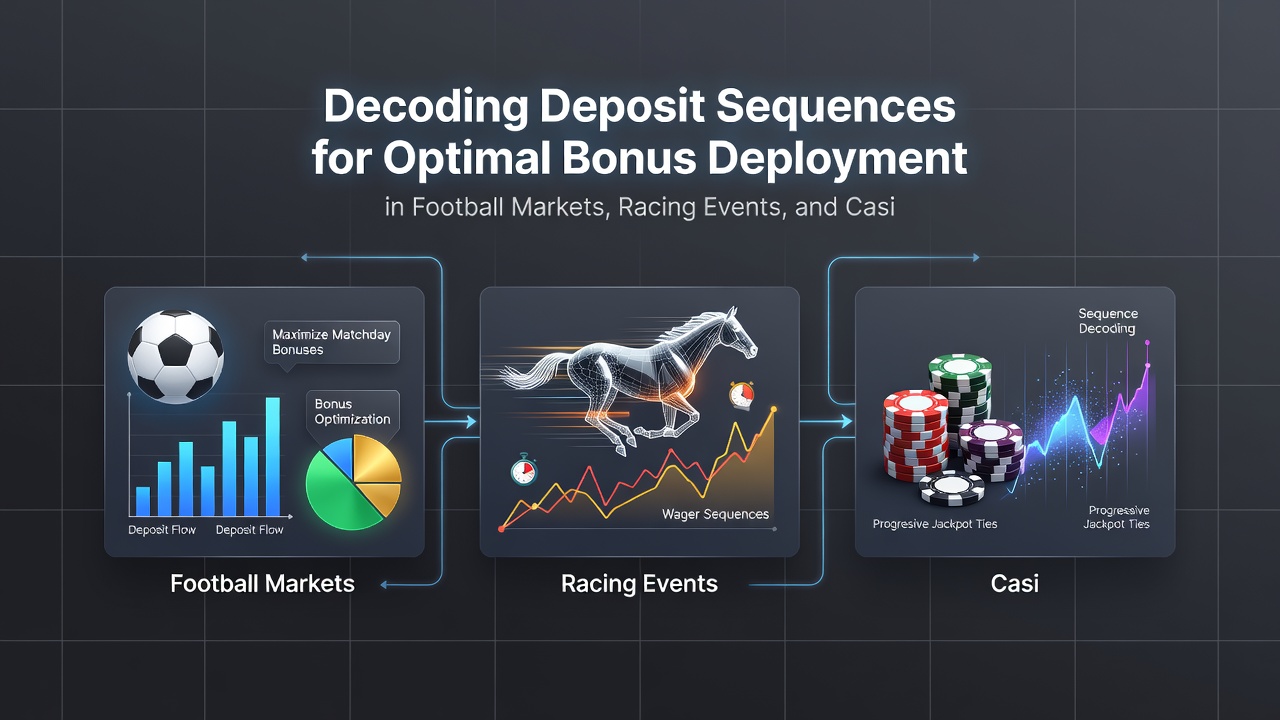
Casino streams incorporate deposit sequences into both slot and live dealer environments, and reports from Canadian provincial regulators highlight that sequential deposits spaced across multiple days often satisfy playthrough requirements more efficiently than clustered transactions. Researchers discovered that live dealer tables apply different contribution percentages to bonus clearing than automated slots, which alters the optimal sequence length for participants seeking to deploy funds across both formats. Figures reveal that November 2026 saw increased adoption of multi-stage deposit plans among casino users who track bonus ledgers in real time through mobile dashboards.
Cross-Market Coordination Strategies
Participants who operate across football, racing, and casino streams benefit from unified deposit calendars that account for varying bonus expiry periods, and studies from academic institutions in North America demonstrate measurable differences in return rates when sequences are planned versus ad hoc. Operators publish terms that specify maximum bonus stacking limits, and those limits frequently reset at the start of each calendar month, creating predictable windows for sequence resets. What's interesting is how regulatory updates in multiple jurisdictions have standardized disclosure requirements around these mechanics, allowing clearer comparison of deployment efficiency across markets.
Payment method selection further shapes sequence outcomes because certain e-wallets process faster and trigger bonus eligibility sooner than bank transfers, and industry data collected across regions confirms this speed differential affects overall deployment success. Observers note that verification delays can interrupt planned sequences, which leads experienced users to complete identity checks well in advance of scheduled deposits.
Conclusion
Deposit sequence optimization remains a documented practice within football markets, racing events, and casino streams, and ongoing regulatory reporting continues to supply fresh data on how these patterns evolve. Those who monitor operator systems and compliance updates gain access to structured information that supports precise fund allocation without reliance on speculation. Continued publication of performance metrics from diverse jurisdictions will sustain transparency around bonus deployment mechanics into future reporting periods.